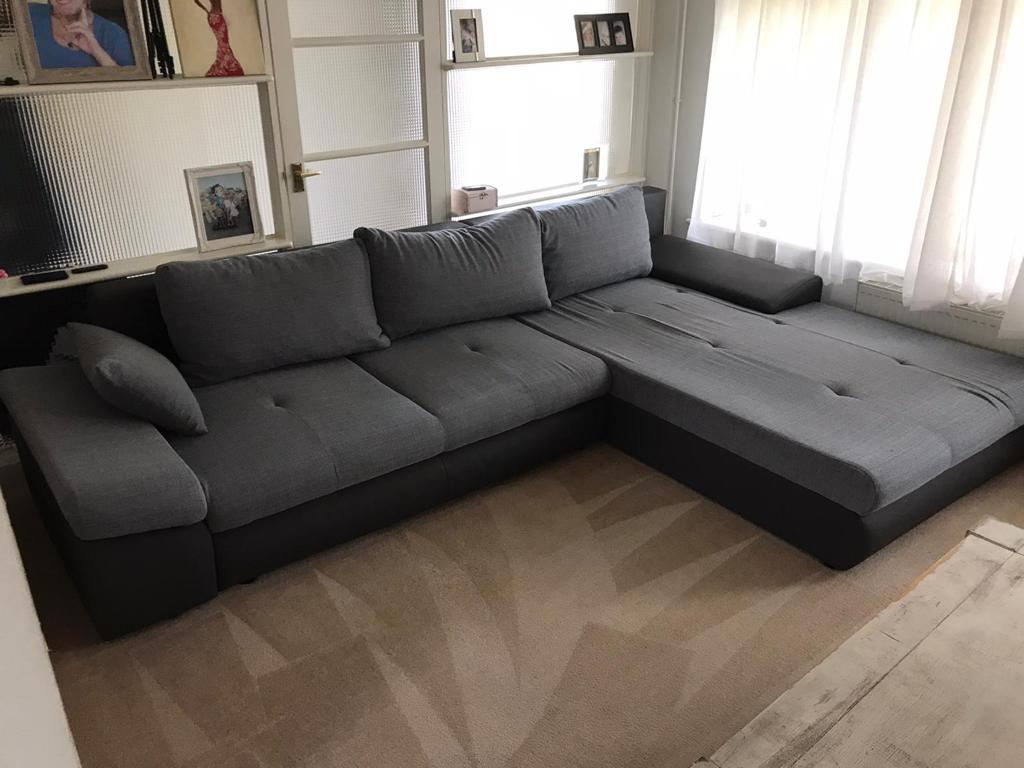
Understanding Dark Carpet Lanes and How Professional Cleaning Can Help
Carpets rarely become soiled evenly. Hallways, doorways, staircases and the routes between frequently used rooms often develop darker bands while areas beneath furniture remain noticeably lighter.
These marks are commonly known as traffic lanes. They form through a combination of deeply embedded soil, repeated foot pressure, oily residues and changes to the carpet pile. Understanding the cause is important because vacuuming alone may not be enough to restore an even appearance.
Fine Soil Becomes Embedded in the Fibres
Shoes, socks and bare feet transfer small amounts of dust and soil onto the carpet. Much of this material is too fine to be immediately noticeable, but it gradually accumulates along the routes people use most often.
Regular foot pressure can push these particles deeper into the pile. The soil then clings to the fibres below the level reached by ordinary surface vacuuming, making the carpet appear grey or dark.
Fine grit can also rub against the fibres as people walk across the area, contributing to wear over time.
Oily Residues Attract Additional Dirt
Not all carpet soil is dry. Natural oils from skin, cooking vapours and substances transferred from outdoor surfaces can settle onto the fibres.
These residues create a slightly sticky layer that attracts dust and makes it more difficult for a vacuum cleaner to remove. Once oily soiling has built up, the affected carpet may quickly look dark again after routine vacuuming because the bonded material remains in the pile.
Doorways and routes near kitchens or entrances are particularly susceptible to this type of build-up.
Repeated Footsteps Flatten the Carpet Pile
Carpet fibres reflect light differently depending on their direction and condition. In areas with limited use, the pile usually remains more upright and reflects light evenly.
Repeated foot traffic compresses and bends the fibres. The flattened pile can absorb or reflect light at a different angle, causing the area to look darker even when some of the soil has been removed.
This means a dark traffic lane can contain both soiling and physical wear. Professional cleaning can remove embedded contamination and improve the pile’s appearance, but permanently worn fibres may not return fully to their original condition.
Why Vacuuming Does Not Always Remove the Darkness
Vacuuming is essential for routine carpet care because it removes loose dust, crumbs, fibres and surface debris. However, it does not wash the carpet or release all material bonded to the fibres.
Dark areas may remain after vacuuming because:
- Soil has been pushed deep into the pile
- Oily residues are holding particles in place
- The vacuum is not reaching the lower fibres
- The carpet pile has become compressed
- Cleaning-product residue is attracting new soil
- Earlier spills have spread beneath the surface
- The fibres have experienced permanent wear
Passing the vacuum repeatedly over the same area may collect more loose material, but it cannot correct every cause of discolouration.
Cleaning Residue Can Make Traffic Lanes Return Quickly
Products applied too heavily or not removed thoroughly can leave residue within the carpet. This residue may feel slightly sticky and attract soil each time the area is walked across.
As a result, a recently treated patch can become darker again surprisingly quickly. Using additional household product may make the problem worse by adding more residue.
Professional carpet cleaning uses controlled product application and extraction to remove both the loosened soil and the cleaning solution from the fibres.
Entryways Often Show the Earliest Changes
Entrances receive a concentrated combination of outdoor grit, moisture and frequent footsteps. Even when shoes are removed indoors, the area immediately inside a doorway may collect soil transferred from footwear and surrounding hard surfaces.
Well-positioned entrance mats can capture some of this material before it reaches the carpet. Mats should be cleaned regularly, as a saturated mat may begin transferring soil rather than containing it.
Furniture Layout Can Concentrate Foot Traffic
The position of sofas, tables and other furniture determines how people move through a room. Narrow routes between furniture can receive far more use than the surrounding carpet.
Rotating or adjusting movable furniture can sometimes distribute traffic more evenly. Where the layout cannot be changed, these pathways may need more frequent vacuuming and periodic professional attention.
How Professional Carpet Cleaning Treats Dark Areas
A professional cleaner should assess the carpet fibre, construction, level of soiling and degree of wear before selecting a cleaning method.
The process may involve:
- Thorough dry-soil removal
- Targeted treatment of heavily soiled areas
- Mechanical agitation where appropriate
- Controlled hot-water extraction or another suitable method
- Repeated extraction of loosened soil
- Careful attention to edges and traffic routes
- Grooming the pile to support an even finish
Treating the entire carpet rather than only the visible dark lane can help produce a more consistent result.
Can Every Dark Traffic Lane Be Fully Restored?
The result depends on whether the darkness comes mainly from soil or from permanent fibre damage. Deep cleaning can remove contamination that vacuuming leaves behind, often making a substantial difference to the overall appearance.
However, cleaning cannot reverse severe fibre abrasion, colour loss or permanent flattening. An honest assessment should distinguish removable soiling from wear before the work begins.
How to Slow Down Future Traffic-Lane Soiling
Once the carpet has been professionally cleaned, several habits can help it remain presentable:
- Vacuum busy areas more frequently than lightly used rooms
- Use clean entrance mats
- Deal with spills promptly
- Avoid overusing household cleaning products
- Move furniture occasionally where practical
- Keep hard floors near carpeted areas clean
- Arrange professional cleaning before heavy soiling becomes established
The cleaning schedule should reflect how the household uses the carpet rather than following the same interval for every room.
Conclusion
High-traffic carpet areas become darker because repeated footsteps push fine soil into the pile, while oils and residues hold dirt to the fibres. Pile compression can also change how the carpet reflects light, making worn areas appear darker even after surface debris has been removed.
If vacuuming no longer improves the busy areas of your carpet, K&S Carpet Cleaning Birchington-on-Sea can assess the fibres and provide an appropriate professional clean. Contact the team to arrange carpet cleaning for your property in Birchington-on-Sea, Kent.
Call us on: 01843 264 690
Click here to find out more about K&S Carpet Cleaning Birchington-on-Sea
Click here to complete our contact form and see how we can help with your carpet needs.