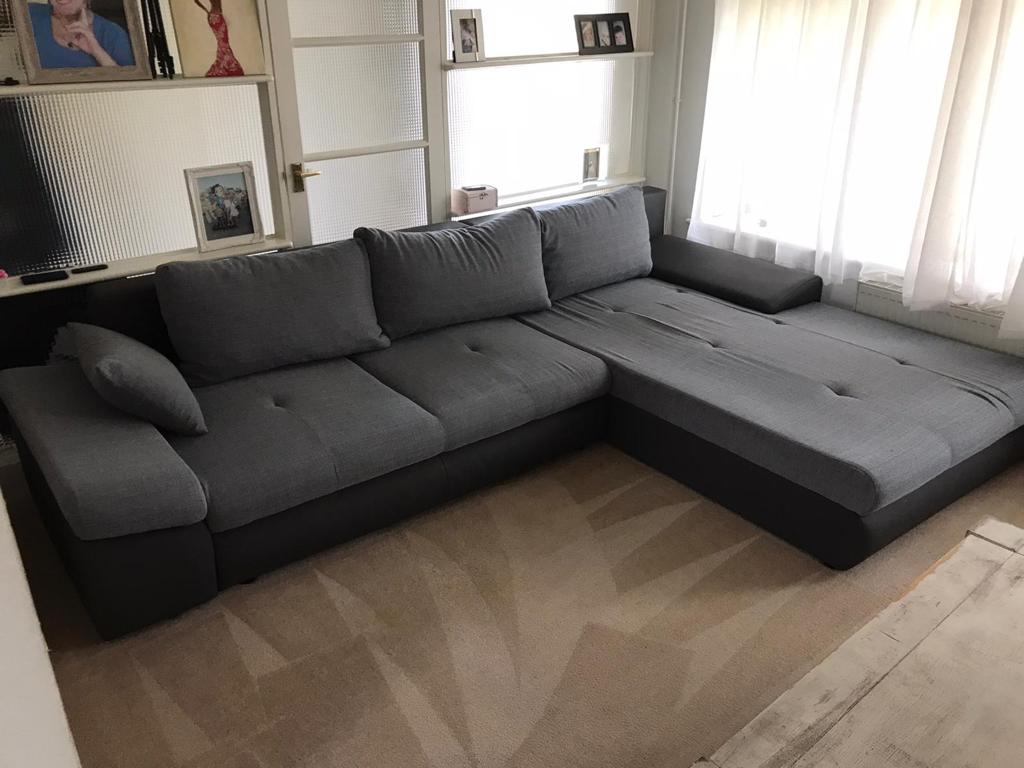
Hallways, stairs, entrances and main living areas experience far more foot traffic than the rest of a home. Over time, these regularly used routes can become darker, flatter and noticeably different from the surrounding carpet.
Routine vacuuming remains important, but it cannot always remove soil that has been pressed deep into the pile or attached to the fibres. Professional carpet cleaning uses a structured process to loosen, suspend and extract this embedded material while taking account of the carpet’s construction and condition.
How Deep Cleaning Treats Dirt in Frequently Used Carpet Areas
High-traffic carpet is affected by more than visible dust. Soil, fine grit, natural oils and everyday residue can combine within the pile, making the affected area difficult to improve through vacuuming alone.
Why Traffic Lanes Become Darker
Every time someone walks across a carpet, footwear can deposit fine particles while pressing existing soil further into the fibres. Natural oils and residues can also make these particles cling to the carpet instead of remaining loose enough for a vacuum to collect.
Common causes of dark traffic lanes include:
- Soil carried indoors on footwear
- Fine grit trapped near the base of the pile
- Residue from food and drinks
- Oils transferred from skin, socks or pets
- Cleaning products that were not fully removed
- Flattened fibres reflecting light differently
- Repeated use of the same walking route
This combination can make the carpet appear heavily stained even when there is no single spill responsible for the discolouration.
Carpet Assessment Comes First
Professional cleaning should begin with an assessment of the carpet rather than applying the same treatment to every surface. The cleaner will consider the fibre type, construction, level of soiling and any areas of permanent wear.
This stage helps determine:
- Which cleaning method is suitable
- Whether particular spots need separate treatment
- How much moisture the carpet can tolerate
- Whether colourfastness requires checking
- Which areas need additional agitation
- Whether the darker appearance is dirt, wear or both
Correct identification is important because worn or damaged fibres cannot be restored simply by increasing the intensity of cleaning.
Thorough Vacuuming Removes Dry Soil
Dry soil should be removed before wet cleaning begins. Fine grit can settle deep within the pile, where it is difficult for ordinary household vacuuming to reach, particularly in flattened areas.
A thorough professional vacuuming stage lifts loose debris and reduces the amount of material that needs to be suspended during the main clean. Removing this grit also helps reveal which marks require targeted treatment.
Pre-Treatment Loosens Attached Residue
A suitable pre-treatment can help break the bond between the fibres and the soil attached to them. The product must be chosen for the carpet type and applied evenly, with additional attention given to the most heavily used routes.
Allowing an appropriate dwell time gives the solution an opportunity to work before extraction. Applying more product than necessary is not beneficial, as excessive residue may be difficult to remove and can attract fresh soil later.
Agitation Reaches into the Carpet Pile
Where dirt has become compacted, controlled agitation helps distribute the cleaning solution and loosen embedded material. This can be especially useful on stairs, around doorways and along established traffic lanes.
The method must be appropriate for the carpet. Excessive scrubbing may distort or damage some fibres, so professional cleaning relies on controlled action rather than unnecessary force.
Extraction Removes Suspended Dirt
Once the embedded soil has been loosened, it needs to be removed from the carpet. Depending on the carpet’s construction and condition, the cleaning process may use hot water extraction or another suitable method.
Effective extraction removes:
- Suspended soil
- Cleaning solution
- Residue from earlier treatments
- Moisture held within the fibres
- Material released during agitation
This stage is what separates deep cleaning from simply applying a surface product. The aim is to lift the dirt out rather than move it around or leave it within the pile.
Individual Spots May Need Targeted Treatment
Traffic lanes often contain separate marks from drinks, food, outdoor soil or other household activity. These may not respond to the same treatment as general soiling.
A professional cleaner can identify individual spots and select an appropriate method for each one. Results depend on the substance, fibre type and how long the mark has been present, so complete removal cannot always be assumed.
Targeted treatment should form part of a controlled cleaning process rather than relying on repeated applications of unsuitable household products.
Pile Grooming Can Improve the Finished Appearance
After cleaning, some carpets benefit from careful pile grooming. This helps realign fibres that have been disturbed during cleaning and can create a more consistent finish while the carpet dries.
Grooming may also reduce the visible contrast between adjacent sections. However, where fibres have been permanently compressed or worn, cleaning may improve cleanliness and colour without fully restoring their original texture.
Why Dirt and Wear Must Be Distinguished
A dark traffic lane is not always caused entirely by soil. Repeated footfall can flatten, abrade or distort carpet fibres, changing how they reflect light. The area may therefore continue to look different even after it has been thoroughly cleaned.
Professional assessment helps set realistic expectations by distinguishing between:
- Removable surface and embedded soil
- Residue from previous cleaning
- Flattened pile
- Fibre abrasion
- Permanent staining
- Changes caused by age and use
Cleaning can often make a substantial difference, but it cannot replace material that has physically worn away.
Keeping High-Traffic Areas Cleaner Afterwards
Once the carpet has been professionally cleaned, routine care can slow the return of visible traffic lanes. Helpful measures include:
- Vacuuming busy routes more frequently
- Using entrance mats to collect outdoor soil
- Treating spills promptly without over-wetting
- Avoiding excessive use of household detergent
- Moving lightweight furniture occasionally to alter walking routes
- Arranging deep cleaning before heavy soil becomes firmly embedded
Regular attention helps prevent fine grit and residue from building up at the base of the carpet.
Conclusion
Professional carpet cleaning lifts dirt from high-traffic areas by combining thorough vacuuming, suitable pre-treatment, controlled agitation and effective extraction. This process reaches beyond the surface to remove soil and residue that routine vacuuming may leave behind.
K&S Carpet Cleaning Birchington-on-Sea provides professional carpet cleaning in Birchington-on-Sea, Kent, with methods selected for the carpet’s fibres, condition and level of use. If your hallways, stairs or living areas have developed dark traffic lanes, contact the team to arrange an assessment.
Call us on: 01843 264 690
Click here to find out more about K&S Carpet Cleaning Birchington-on-Sea
Click here to complete our contact form and see how we can help with your carpet needs.